

Reloading Primer Restock Schedule 2026: How to Read Availability Updates
If you’ve been searching for a reloading primer restock schedule 2026, you’ve probably noticed that availability information isn’t always as straightforward as it looks.
One website may show a product as unavailable. Another may mention an expected replenishment. An older discussion may reference a date that has already passed. Meanwhile, a current product listing may still exist even though its inventory status has changed.
That can make it difficult to determine what information is actually current.
The key is to separate product information, inventory status, and future availability estimates. Those are three different things, and understanding the difference makes restock announcements much easier to interpret.
This is particularly important with reloading primers, where product identification matters and availability information can change over time.
At American-Primers, we believe customers are better served by clear explanations than by promises that cannot be verified. So rather than treating a restock schedule as a guaranteed calendar, let’s look at what these updates actually mean, how to evaluate them, and why an estimated date should always be understood as an estimate.
What Is a Reloading Primer Restock Schedule?
A reloading primer restock schedule is information concerning anticipated replenishment of inventory.
In simple terms, it answers a question customers frequently have:
When might a product that is currently unavailable become available again?
The challenge is that the answer can exist at different levels of certainty.
A supplier may have confirmed that inventory has been received. It may have information indicating that replenishment is expected. Or it may have no confirmed timing at all.
Those situations should not be presented as though they are identical.
A Restock Schedule Is Not Necessarily a Guarantee
A schedule can provide useful information without constituting a guarantee.
For example, an estimated replenishment date describes an expectation based on information available at the time. Circumstances can subsequently change.
That is why responsible availability information distinguishes between:
- Confirmed information
- Estimated information
- Current inventory status
- Historical information
This distinction is at the heart of understanding reloading primer availability 2026.
Why Customers See Different Availability Messages
Inventory information comes from systems and sources that can update at different times.
A manufacturer, distributor, retailer, and third-party website may not all update simultaneously.
As a result, two pages discussing the same product can sometimes appear to disagree even though each page reflects information from a different point in time.
The date and source therefore matter.
Understanding the Difference Between Inventory and Restocking
One of the easiest ways to misunderstand a primer restock announcement is to treat “restocking” and “in stock” as the same thing.
They aren’t.
“In Stock” Describes Current Availability
When a product is represented as in stock, the statement generally refers to the inventory status at that time.
It answers a present-tense question:
Is inventory currently represented as available?
It doesn’t necessarily tell you when that inventory arrived or how long it will remain available.
“Restocking” Refers to Replenishment
Restocking concerns the addition of inventory.
Depending on the wording used by the source, it may mean replenishment is anticipated, underway, or has recently occurred.
The surrounding information is important.
A reader shouldn’t assume that every website uses “restocking” according to exactly the same internal definition.
“Expected” Indicates Uncertainty
The word expected is particularly important.
An expected primer restock describes something anticipated to happen.
It doesn’t automatically mean that the product is already available.
It also doesn’t necessarily mean the stated date is guaranteed.
That distinction may seem obvious, but it is one of the most common sources of confusion when people search for when will reloading primers be restocked.
Why Reloading Primer Availability Can Change
If you’re following primer stock availability updates, it’s important to understand that inventory is dynamic.
A website isn’t a photograph of a warehouse. It is an information system representing inventory at a particular point in time.
Inventory Can Change as Products Are Received and Processed
When new inventory enters a distribution system, there can be several steps before the information appears on a customer-facing website.
For example:
Receipt → Inventory verification → System update → Customer-facing availability
The precise process varies by business, but the general principle is straightforward: physical inventory and online inventory information don’t necessarily change at the exact same moment.
Availability Can Change After an Update Is Published
Suppose a supplier publishes an announcement indicating that replenishment is expected.
If circumstances subsequently change, the original estimate may no longer represent the latest information.
This doesn’t necessarily mean the original announcement was deliberately misleading.
It may simply mean that the underlying circumstances changed.
That is why current primer availability should always be evaluated using the most recent relevant information.
Temporary Unavailability Is Not the Same as Discontinuation
Another important distinction is between a product being temporarily unavailable and a product being discontinued.
A product can remain part of a catalog while having no current inventory.
Therefore:
A product listing does not automatically establish current inventory.
Likewise:
Temporary out-of-stock status does not automatically establish permanent discontinuation.
Those conclusions require separate evidence.
How to Read a Reloading Primer Availability Update
When you encounter reloading primers restock updates, don’t rely only on the headline.
Read the underlying information.
Start With the Exact Product
First, establish exactly which product is being discussed.
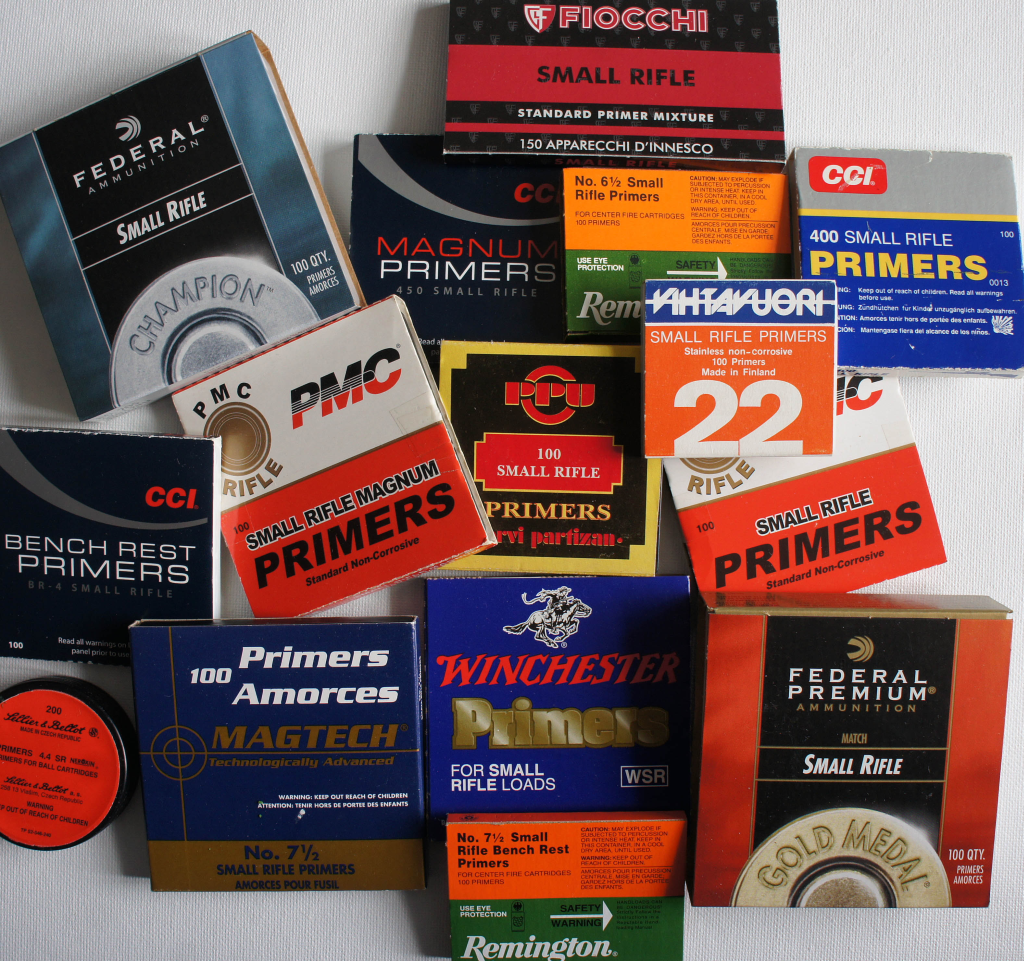
Look for identifying information such as:
- Manufacturer
- Product name
- Product designation
- Product category
- Packaging description
- Other identifying information provided by the source
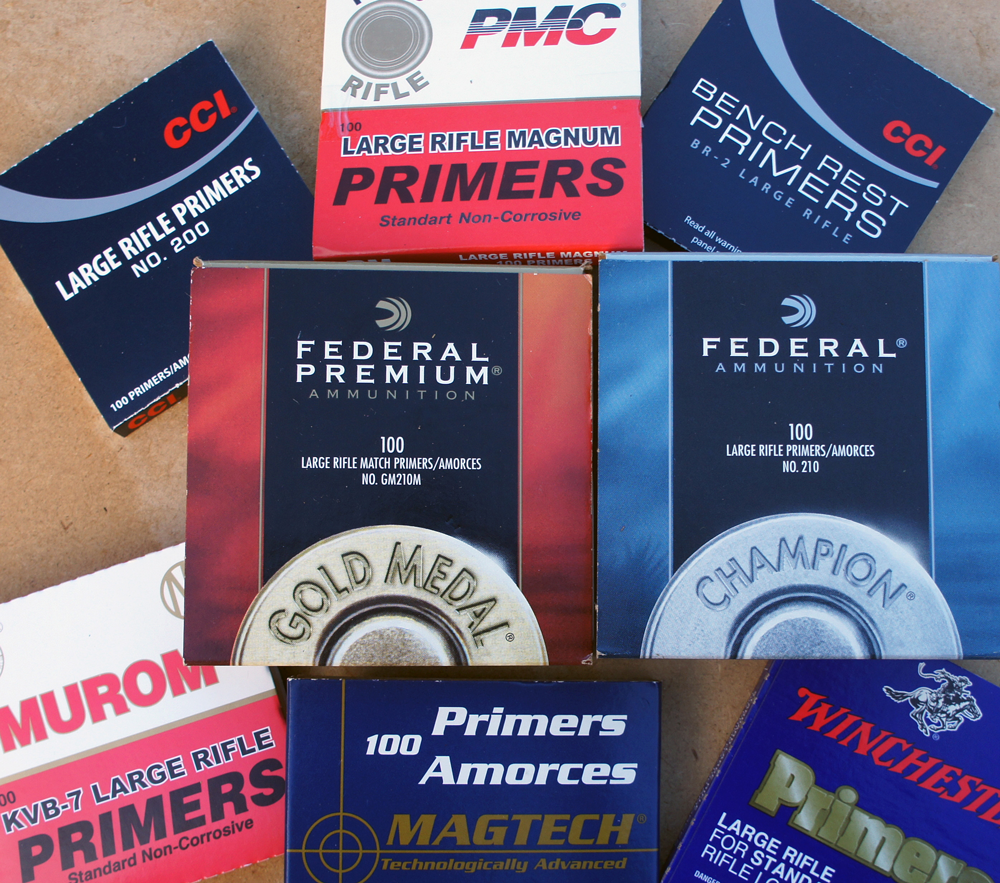
This is important because products within the same general category can have different specifications and intended applications.
A general reference to “primers” isn’t necessarily enough to establish which particular product an availability announcement concerns.
Check When the Information Was Published
The date is one of the simplest and most useful pieces of information available.
If you’re researching reloading primer availability 2026, a current source generally provides more relevant context than an undated discussion from several years ago.
Historical information can still be useful.
It simply shouldn’t be confused with current inventory information.
Look for the Exact Availability Language
Pay attention to whether the source says:
- In stock
- Available
- Out of stock
- Restocking
- Expected
- Estimated
- Anticipated
- Backordered
- Temporarily unavailable
These terms communicate different things.
If a source uses qualifying language, that language should not be removed when interpreting the announcement.
Look for an Update Date
Some pages display a publication date.
Others display a “last updated” date.
If both are available, they provide useful context about how recently the information was reviewed.
An undated page deserves more caution when you’re trying to determine current primer inventory.
Confirmed Restock Information vs. Estimated Information
This distinction deserves special attention because it affects how customers interpret availability.
Confirmed Information
A confirmed inventory statement should be based on information that has actually been verified.
For example, confirmation that inventory has been received is fundamentally different from an expectation that inventory will arrive at some future point.
Even then, precision matters.
If inventory has been received, that establishes receipt.
It doesn’t automatically establish how long the inventory will remain available.
Estimated Information
An estimated restock date represents anticipated timing.
Words such as:
expected
estimated
anticipated
and
projected
signal that the information isn’t necessarily final.
When reading a primer restock schedule 2026, preserve that distinction.
Why Estimated Dates Can Change
A future inventory estimate depends on circumstances that can change.
Those circumstances can include production, distribution, transportation, receiving, and inventory-processing timelines.
The important point isn’t to speculate about which particular factor caused a change.
It’s simply to recognize that an estimate and a completed inventory event are different types of information.
How to Evaluate the Reliability of a Restock Announcement
Not every page carrying the phrase primer restock schedule has the same evidentiary value.
The source matters.
Start With the Original Source
Whenever possible, identify where the information originated.
An original supplier announcement is different from a third-party article summarizing that announcement.
A manufacturer statement is different from an anonymous forum comment.
A government source is different from an individual’s interpretation of regulations.
The closer you can get to the original source, the easier it becomes to evaluate context.
Check the Date
A dated statement lets you establish when the information was accurate or expected to apply.
This is especially important when inventory conditions change frequently.
Check Whether the Information Has Been Updated
A page published months ago may contain useful historical information while no longer representing the latest status.
Look for a newer update.
Check Whether the Statement Is Specific
A statement identifying a particular product is generally more useful than a vague statement referring only to a broad category.
Specificity helps prevent one product’s availability information from being mistakenly applied to another.
Why Search Results Can Be Misleading About Primer Availability
Search engines make it easy to discover information, but discovery and verification aren’t the same thing.
If you’ve searched reloading primer restock updates, you may see pages from different dates mixed together.
Old Pages Can Continue Appearing
A page doesn’t necessarily disappear from search results simply because its information is old.
An article published during an earlier period can continue to attract visitors.
That’s why the publication or update date matters.
Search Snippets May Omit Important Context
A search result usually displays only a small portion of a page.
Suppose the full page says:
“Availability is expected, although timing remains subject to change.”
A search snippet might display only:
“Availability is expected.”
The qualification has disappeared.
The meaning has changed.
This is why it’s better to open the original source when an availability statement matters.
AI Summaries Have the Same Basic Limitation
AI-generated summaries can help people discover information, but a summary is still a summary.
It may compress several qualifications into a shorter statement.
For current inventory questions, the underlying source remains important.
How to Understand a 2026 Primer Restock Schedule
A useful way to approach a reloading primer restock schedule 2026 is to think in terms of information stages rather than a single date.
Stage 1: No Confirmed Information
There may be no reliable future availability information available.
In that situation, there isn’t a legitimate basis for claiming a specific restock date.
Stage 2: Expected Replenishment
Information indicates that additional inventory is anticipated.
The timing remains subject to change.
Stage 3: Confirmed Inventory Event
Inventory has been received or otherwise verified according to the relevant inventory system.
This is stronger evidence than a future estimate.
Stage 4: Current Availability
The current product information represents inventory as available.
Even here, the status represents a point in time rather than a permanent guarantee of future inventory.
Thinking about availability in these stages makes it much easier to understand why a “restock date” isn’t always a single permanent answer.
Common Mistakes People Make When Reading Restock Information
Mistake 1: Treating an Estimate as a Promise
An estimated date is not automatically a guaranteed date.
The wording matters.
Mistake 2: Ignoring the Publication Date
An old announcement may describe conditions that existed at a completely different point in time.
Mistake 3: Assuming Every “Primer” Reference Means the Same Product
Always identify the actual product being discussed.
Mistake 4: Assuming a Product Page Means Inventory Is Available
Catalog presence and inventory availability are different concepts.
Mistake 5: Using a Search Snippet as the Entire Source
A snippet can remove qualifications.
Read the complete source whenever possible.
Mistake 6: Confusing Restocking With Fulfillment
Restocking concerns inventory replenishment.
Fulfillment concerns the processing of an order and its subsequent handling.
Those are separate concepts.
What Makes an Availability Update Useful?
A useful primer inventory update answers several basic questions without overstating what is known.
It Identifies the Product
The reader should be able to determine which product the update concerns.
It Identifies the Status
The reader should understand whether the information concerns current availability or anticipated replenishment.
It Provides Timing Context
Where a date is available, the reader should know whether that date is confirmed or estimated.
It Provides a Source
The reader should be able to determine where the information originated.
It Avoids Unnecessary Certainty
When information is uncertain, the uncertainty should remain visible.
That’s not a weakness.
It’s accurate communication.
How American-Primers Communicates About Availability
At American-Primers, we understand why availability terminology matters to customers researching the reloading primer product category.
Our goal is to communicate product and availability information in a way that doesn’t require customers to guess what a particular status means.
When information describes current availability, it should be understood as current inventory information.
When information concerns anticipated replenishment, it should be understood as future-oriented information.
And when timing is estimated, an estimate should remain an estimate.
That distinction helps keep expectations grounded in the information that is actually available.
We also recognize that inventory information can change. A page viewed today may not necessarily show the same status at a later time.
For that reason, the most useful approach is always to consider the date and source of an availability statement.
Where to Verify Information About Reloading Primers
Different questions require different sources.
Product Information
For product-specific information, start with the relevant manufacturer or supplier documentation.
This is where you can verify the identity and published specifications of the product being discussed.
Current Inventory Information
For supplier-specific availability, the supplier’s current product information is the relevant source.
A third-party article may provide historical context, but it may not reflect current inventory.
Regulatory Information
Questions about applicable laws and regulations should be checked against current official government sources.
For U.S. federal requirements involving firearms, ammunition, explosives, or related activities, the Bureau of Alcohol, Tobacco, Firearms and Explosives (ATF) publishes regulatory information and directs readers to applicable federal regulations..
Regulatory requirements can depend on the circumstances, so an old article or forum discussion should not be treated as a substitute for current official information.

A Simple Checklist for Reading a Primer Restock Update
When researching primer stock availability updates, take a moment to check five things.
1. What Product Is This?
Confirm the exact product and identifying information.
2. What Is the Current Status?
Determine whether it is:
- Available
- Out of stock
- Restocking
- Expected
- Backordered
- Otherwise unavailable
3. Is the Information Current?
Check the publication or update date.
4. Is the Timing Confirmed or Estimated?
Look carefully for qualifying words.
5. Where Did the Information Come From?
Give greater weight to identifiable original sources than to unattributed reposts or comments.
This five-step process takes very little time, but it can prevent a great deal of confusion.
Frequently Asked Questions About Reloading Primer Restock Schedules
What is a reloading primer restock schedule?
A reloading primer restock schedule is information concerning anticipated replenishment or changes in availability for reloading primer products. It may contain confirmed information, estimates, or both.
Does a restock date guarantee availability?
No. If the date is described as estimated, anticipated, or expected, it should be understood as future-oriented information rather than an absolute guarantee.
Why can a restock date change?
Future availability can depend on circumstances such as production, distribution, transportation, receiving, and inventory processing. An estimate can therefore change before the inventory event occurs.
What does “in stock” mean?
“In stock” generally describes the current inventory status represented by the supplier at that time. It doesn’t necessarily predict future availability.
Does a product listing mean the product is currently available?
No. A product can remain listed in a catalog even when its current inventory status is unavailable.
Why do different websites show different information?
They may have been updated at different times, may use different inventory systems, or may be reporting information from different sources.
How can I check current primer availability?
Start with the current information provided by the relevant supplier or manufacturer. Check the date and read the complete availability statement rather than relying solely on a search snippet.
Should an old restock announcement be treated as current?
No. An old announcement can provide historical context, but current availability should be verified using more recent information.
What is the difference between restocking and fulfillment?
Restocking concerns adding or replenishing inventory. Fulfillment concerns processing an order after it has been placed. They describe different stages of the supply process.
Final Thoughts on Reading the 2026 Reloading Primer Restock Schedule
Searching for a reloading primer restock schedule 2026 can make it seem as though there should be one definitive calendar showing exactly when every product will become available.
In reality, availability information needs context.
The most important questions are straightforward:
What product is being discussed?
What is its current status?
When was the information published or updated?
Is the future timing confirmed or estimated?
Where did the information come from?
Those questions help separate current information from old information and confirmed events from expectations.
At American-Primers, we believe clear communication starts with using precise language. An availability statement should tell you what is known without making an estimate sound like a certainty.
So when you encounter a primer restock announcement, look beyond the headline.
Read the status.
Check the date.
Identify the source.
And pay attention to the difference between available now and expected later.
Once you understand those distinctions, reloading primer availability 2026 becomes much easier to interpret—and you can evaluate availability information based on what has actually been established rather than what an old headline or search snippet may imply.
Next Post: Best Online Store for Primers 2026: What Buyers Should Check First









Comment (1)
[…] Next Post: Reloading Primer Restock Schedule 2026: How to Read Availability Updates […]