
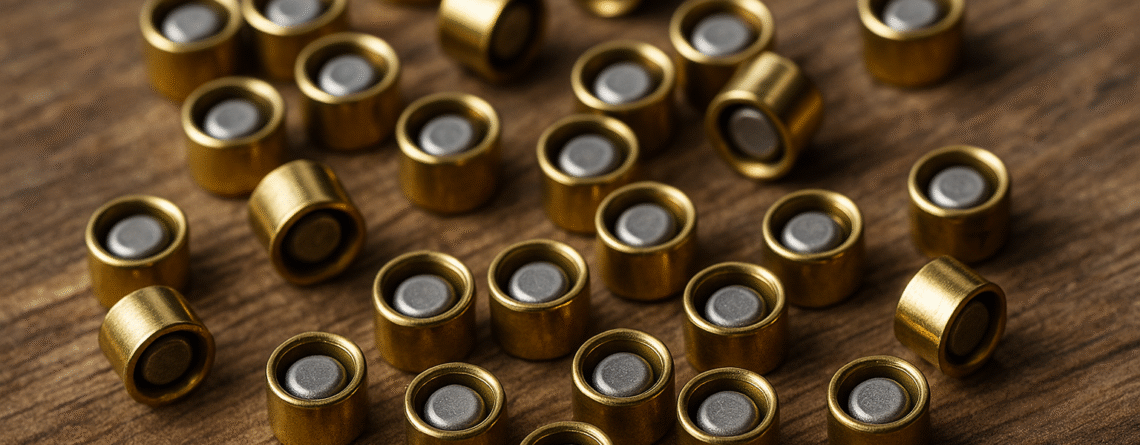
Best Primers for Reloading Ammo: What Experienced Reloaders Use (And Why Most Beginners Get It Wrong)
If you spend enough time around reloaders, one thing becomes obvious very quickly:
everyone remembers the moment they realized primers actually mattered (best primers for reloading ammo).
For some, it was unexplained flyers on an otherwise perfect group.
For others, it was inconsistent velocity readings that didn’t make sense on paper.
And for many beginners, it was the first misfire that made them stop and ask, “What did I do wrong?”
I’ve been working directly with reloaders for years through American-Primers, not as a hobbyist blog, but as a business that supplies primers to shooters who depend on consistency, safety, and reliability. What that gives you—very quickly—is perspective.
When you sell primers at scale, patterns emerge.
You see what experienced reloaders buy repeatedly.
You see what beginners experiment with—and what they come back to fix.
You see which primer-related mistakes cost people time, money, and confidence.
And that’s why I can say this clearly and responsibly:
Choosing the best primers for reloading ammo is not about brand hype or online opinions. It’s about understanding ignition, consistency, and compatibility—and applying that knowledge correctly.
Why Primers Matter More Than Most Reloaders Think
A primer is not just a spark. It is the first controlled ignition event in a chain reaction that determines pressure behavior, burn efficiency, velocity consistency, and ultimately accuracy.
From a technical standpoint, primers influence:
- Initial pressure rise
- Powder ignition uniformity
- Extreme spread (ES) and standard deviation (SD)
- Reliability of ignition under varying conditions
From a practical standpoint, primers influence whether your ammunition behaves the same way every time you pull the trigger.
One of the most common conversations we have with customers goes something like this:
“Everything else stayed the same, but my groups opened up.”
Nine times out of ten, the primer changed. Read more about SAAMI ammunition and reloading standards.
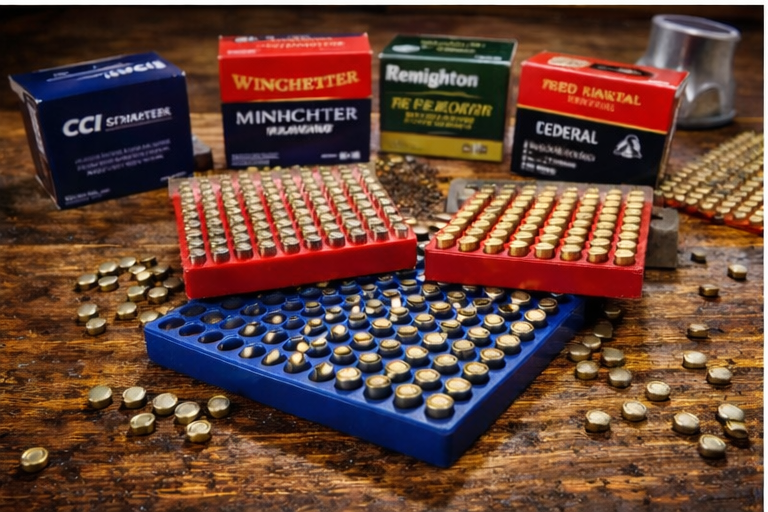
Where Beginners Commonly Go Wrong (And Why It Keeps Happening)
This section exists because these mistakes repeat themselves—consistently—across calibers, firearms, and experience levels.
Buying Based on Availability Instead of Application
Shortages have trained many reloaders to buy what’s available rather than what’s appropriate. While that’s understandable, it’s also risky.
Primers are not interchangeable components. Changing primer type or brand without understanding its characteristics introduces a new variable—one that affects pressure and ignition.
Assuming “Close Enough” Is Safe Enough
Small rifle is not small pistol.
Standard is not magnum.
Brand A is not automatically equivalent to Brand B.
Experienced reloaders treat primer selection with the same discipline they apply to powder choice. Beginners often learn this the hard way.
Ignoring Ignition System Compatibility
Firearm ignition systems vary significantly.
Semi-automatic platforms often require harder primer cups to reduce slam-fire risk. Some bolt-action rifles with lightened firing pins may struggle with harder primers.
Primer selection must account for:
- Firing pin energy
- Action type
- Intended use
This is not optional knowledge—it’s foundational.
How Experienced Reloaders Choose the Best Primers for Reloading Ammo
After years of observing purchasing behavior and feedback, a clear trend emerges:
Experienced reloaders do not experiment endlessly with primers.
They test carefully, select deliberately, and then stick with what works.
Their criteria usually include:
- Consistent ignition across lots
- Predictable seating behavior
- Compatibility with their firearm’s ignition system
- Reliable availability from reputable suppliers
What they are not chasing is marketing claims.
They are chasing repeatability.
Primer Types Explained Clearly (Without Guesswork)
This section is intentionally factual and conservative. Reloading is not the place for assumptions.
Small Rifle vs Large Rifle Primers
These primers differ in size, ignition strength, and intended pressure environments.
Using the incorrect size is unsafe and can damage equipment or cause injury.
Small Pistol vs Large Pistol Primers
Pistol primers are designed to ignite reliably with lighter firing pin strikes. Substituting rifle primers in pistol applications is not recommended and introduces ignition risks.
Magnum vs Standard Primers
Magnum primers exist to reliably ignite:
- Larger powder charges
- Slower-burning powders
- Loads exposed to cold temperatures
They are not “upgrades” and should not be used unless the load data calls for them. You can read more on primer ignition and internal ballistics.
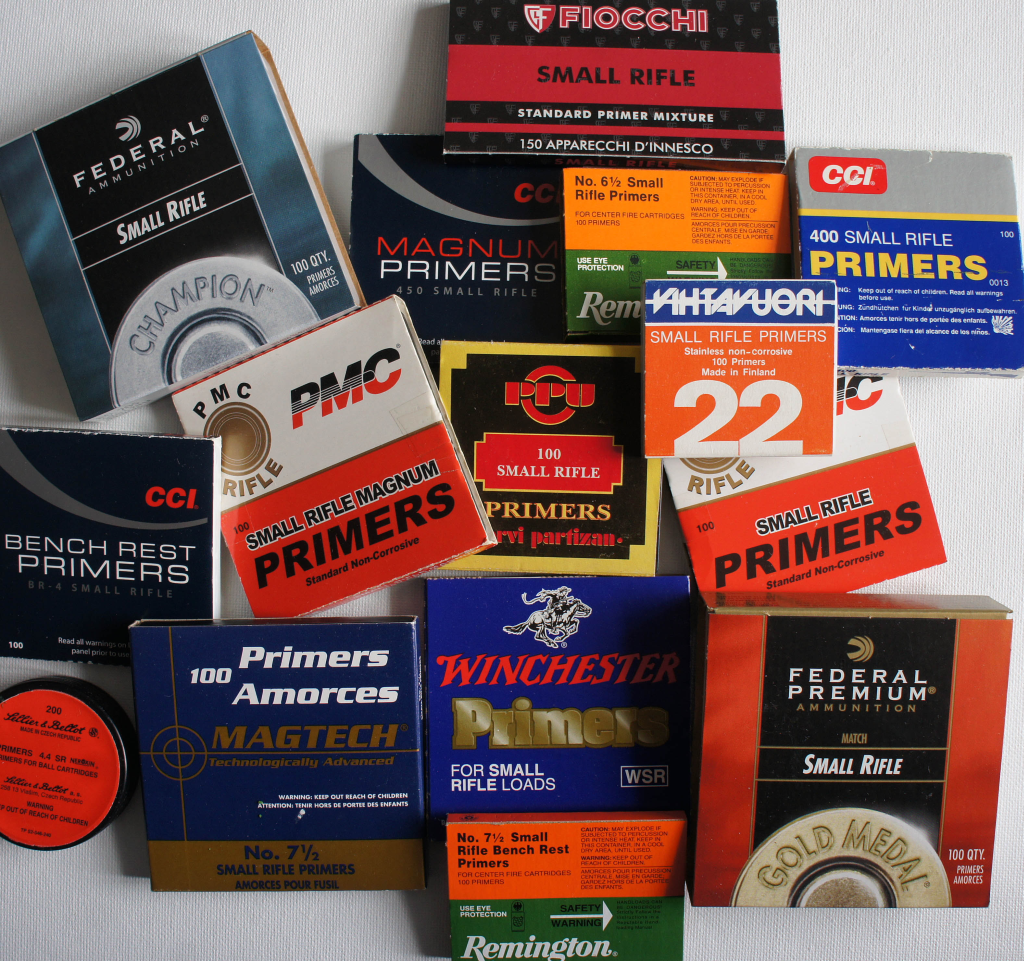
What Actually Defines the Best Primers for Reloading Ammo
Based on long-term customer feedback, repeat orders, and real-world usage, the primers that earn trust share common traits:
- Uniform ignition
- Stable performance across production lots
- Clean, predictable burn characteristics
- Reliable seating without deformation
Precision shooters, competitive reloaders, and high-volume users all prioritize these same characteristics—even if their applications differ.
Primer Selection by Real-World Use Case
Precision and Accuracy Loads
Precision reloaders value consistency above all else. Minor ignition variations that are irrelevant at short distances become significant at range.
This is why many serious shooters commit to one primer type for an entire season or competition cycle.
High-Volume Reloading
High-volume reloaders prioritize:
- Feeding reliability
- Seating consistency
- Minimal misfire rates
Consistency reduces downtime and increases confidence.
Semi-Automatic Platforms
Primer cup hardness and ignition reliability are critical here. Selecting primers appropriate for semi-automatic actions helps mitigate slam-fire risk while maintaining reliable ignition.
Why Specialized Primer Vendors Matter
Primers are sensitive components. Storage, handling, and shipping conditions matter.
At American-Primers, primers are stored and handled according to manufacturer guidelines. This matters more than many reloaders realize, especially when dealing with lot consistency and long-term reliability.
Experienced reloaders understand that reliability begins before the primer ever reaches their bench.
Matching the Best Primers for Reloading Ammo to Your Setup
Responsible primer selection considers:
- Firearm ignition characteristics
- Cartridge pressure range
- Powder burn rate
- Intended use (precision, volume, duty, competition)
When these factors are aligned, primer selection becomes logical rather than experimental.
Common Primer Myths That Don’t Hold Up
- All primers are not the same
- Price does not equal performance
- Magnum primers do not automatically improve loads
- Brand consistency matters more than brand recognition
These conclusions are based on observed results, not opinion.
What Years of Selling Primers Reveals
Beginners tend to rotate primers frequently.
Experienced reloaders reorder the same primers consistently.
That difference reflects understanding.
Once reloaders identify the best primers for reloading ammo for their equipment and goals, they stop experimenting—and start producing repeatable results.
Where Trust and Transparency Matter Most
Reliable primers come from:
- Clear product categorization
- Proper storage
- Transparent sourcing
- Consistent availability
This is why reputable reloaders prefer specialized suppliers who understand reloading—not just inventory movement.

Final Thoughts: Precision Starts at Ignition
Primers are not an accessory. They are a foundational component.
Selecting the best primers for reloading ammo requires experience, discipline, and respect for the process. Reloaders who understand this produce safer, more consistent, and more accurate ammunition.
Every experienced reloader learns this lesson eventually.
The smartest ones learn it early.
FAQ (Safety & Accuracy Focused)
Do primers affect pressure?
Yes. Primer choice influences pressure characteristics and must be treated as a load variable.
Can I change primers without reworking a load?
No. Primer changes should always be evaluated carefully.
Are harder primers safer?
Harder primers reduce slam-fire risk in some platforms but require adequate firing pin energy.
Is brand loyalty important?
Consistency and manufacturing quality matter more than branding.
Next Part: How to Choose Primers for Firearms the Right Way (Before You Waste Ammo)

LEAVE A COMMENT